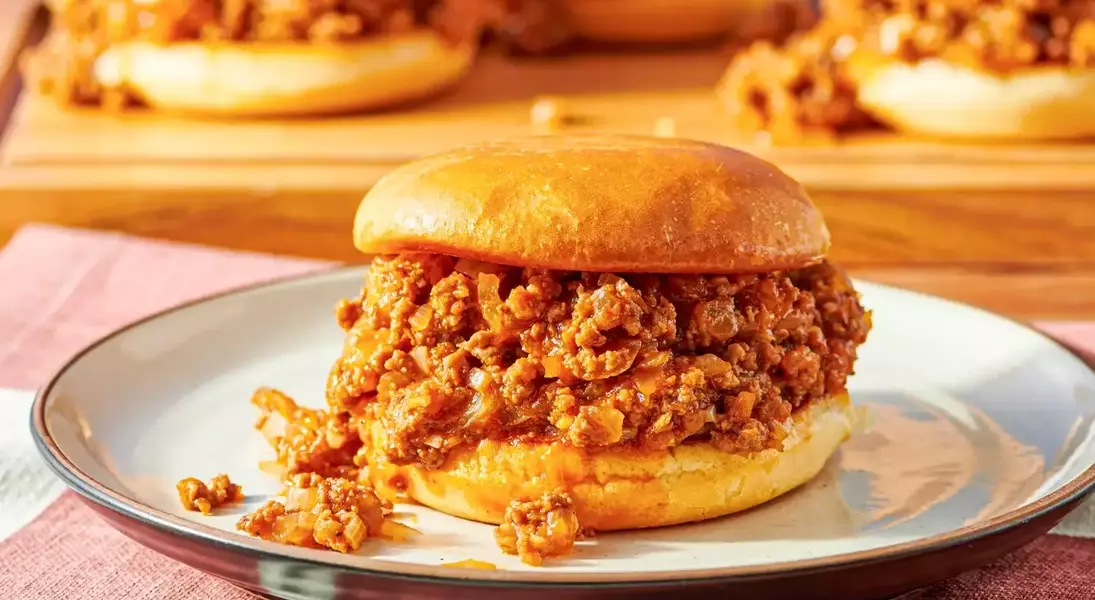
Sloppy Joes, a cherished American culinary classic, hold a special place in the hearts of many, often evoking memories of childhood and simpler times. Yet, the typical cafeteria or fast-food version often falls short of its nostalgic promise, leaving diners with an overly sweet, greasy, and somewhat unappetizing experience. This article takes a deep dive into the essence of the sloppy Joe, exploring its mysterious origins and offering a revamped approach to preparing this beloved sandwich. By focusing on elevated ingredients and refined cooking techniques, it's possible to create a homemade sloppy Joe that not only honors its nostalgic roots but also transcends its humble beginnings, delivering a flavor and texture profile that is both comforting and sophisticated.
The journey to perfecting the sloppy Joe involves more than just assembling ingredients; it's about understanding the science and artistry behind flavor development. From achieving the ideal texture in the ground meat by strategically browning only a portion of it to crafting a sauce that balances sweetness with a zesty tang, every step is crucial. This reinterpretation emphasizes the importance of quality components, such as a rich tomato base, a hint of robust mustard, and a touch of brown sugar for depth, all culminating in a dish that is far removed from its mass-produced counterparts. The result is a sloppy Joe that retains all the charm and familiarity of the original but with a heightened sense of culinary excellence, proving that even the most straightforward dishes can be transformed into something extraordinary with a thoughtful approach.
The sloppy Joe, a quintessential American comfort food, has long been a fixture in school cafeterias and summer camps, its messy charm an iconic part of many childhoods. My own introduction to this culinary creation came not from a school lunchroom, but through the silver screen, specifically the 1995 film "It Takes Two." The movie depicted the simple delight of biting into a generously sauced meat sandwich, sparking an imaginative craving that years later, proved difficult to satisfy with actual cafeteria versions. These early experiences often left me with a sense of disappointment; the real-life sloppy Joes were frequently too sweet, too greasy, and lacked the vibrant, balanced flavor my imagination had conjured. This common sentiment, echoed by others, highlights a pervasive critique of the dish: its tendency to be an over-sweetened, unappetizing mess, far removed from any genuine culinary appeal. Yet, despite these shortcomings, the sloppy Joe has maintained a firm grip on the American psyche, suggesting a deep-seated nostalgic connection that transcends its typical preparation.
The persistent appeal of the sloppy Joe, despite its often-criticized execution, points to its inherent comfort food status. It symbolizes a simpler time, a quick and satisfying meal that requires little fuss. The dish's history is somewhat shrouded in mystery, with various theories attributing its creation to a bartender in Havana, Cuba, or linking it to the Midwest's "loose meat sandwiches." Regardless of its precise origins, the sloppy Joe cemented its place as a staple, particularly in institutional settings, due to its ease of preparation and broad appeal. However, the very factors that made it popular in mass catering—simplicity and cost-effectiveness—also contributed to its culinary downfall, leading to the gloopy, overly sweet iterations that became synonymous with the dish. This pervasive image of the sloppy Joe as a less-than-gourmet item has, paradoxically, fueled a desire among food enthusiasts to reclaim and refine it, transforming it from a mere nostalgic callback into a genuinely enjoyable and flavorful meal.
My quest to perfect the sloppy Joe began with a desire to recreate its nostalgic essence while consciously avoiding the pitfalls of overly sweet and greasy renditions. The core challenge was to enhance the dish's fundamental elements—ground beef and a rich, tangy tomato sauce—through thoughtful culinary techniques. A key innovation in my approach draws inspiration from traditional ragù preparation: I brown only half of the ground beef over high heat. This method leverages the Maillard reaction, a complex chemical process that develops deep, roasted flavors and enticing aromas, enriching the sauce with a savory depth often missing in conventionally prepared sloppy Joes. By keeping the other half of the meat briefly cooked, a tender texture is preserved, ensuring that each bite offers a satisfying contrast between rich, browned flavors and succulent meat. This dual-cooking technique achieves a harmonious balance, providing both profound taste and desirable mouthfeel, a marked improvement over homogenous, uniformly cooked meat mixtures.
The sauce is another area of significant refinement. Its signature thickness is achieved through the strategic use of a cornstarch slurry, contributing to a pleasant consistency without any gloopy residue. The tomato base is built on a blend of quality tomato or marinara sauce and a specific brand of ketchup, emphasizing the importance of ingredient selection for optimal flavor. Complementing the tomato's natural sweetness, brown sugar introduces a molasses-rich depth that harmonizes with the sharp, piquant notes of Dijon mustard and Worcestershire sauce, creating a complex and well-rounded flavor profile. An optional, yet highly recommended, addition of MSG further amplifies the savory notes, binding all the flavors together for a truly satisfying experience. This meticulous attention to detail in both meat preparation and sauce development results in a sloppy Joe that, while undeniably evoking fond memories, surpasses its traditional counterparts in taste and sophistication. It’s a dish that resonates with childhood nostalgia but appeals to a more discerning palate, offering a delicious testament to the power of thoughtful cooking.
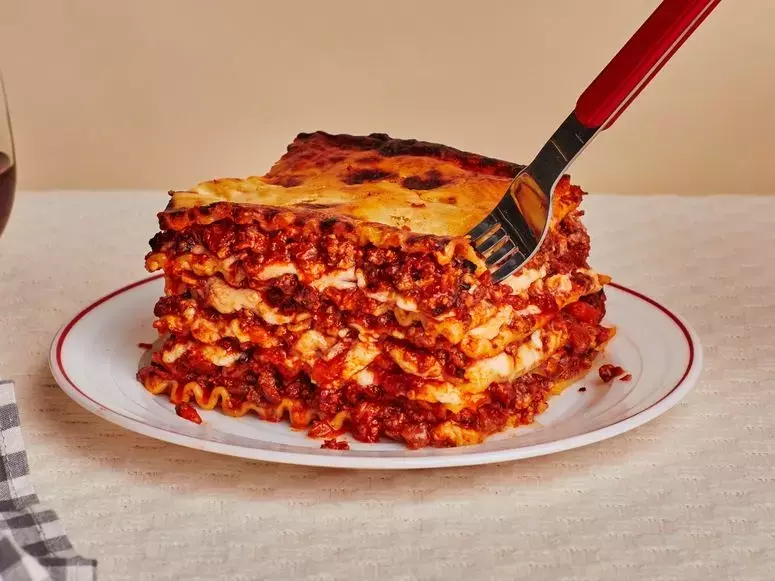
Budget-Friendly Lasagna: A Culinary Renovation

Mastering the Art of Froth: A Comprehensive Guide to Milk Frothers

Old-Fashioned Apple Pie
This old-fashoned apple pie recipe is just like Grandma used to make. Our tried-and-true Better Homes and Gardens apple pie is filled with pleasantly tart apples and and warm spices for the perfect bite. Give your apple pie some vintage (and delicious) flair by adding shredded cheddar cheese. Don't forget the ice cream!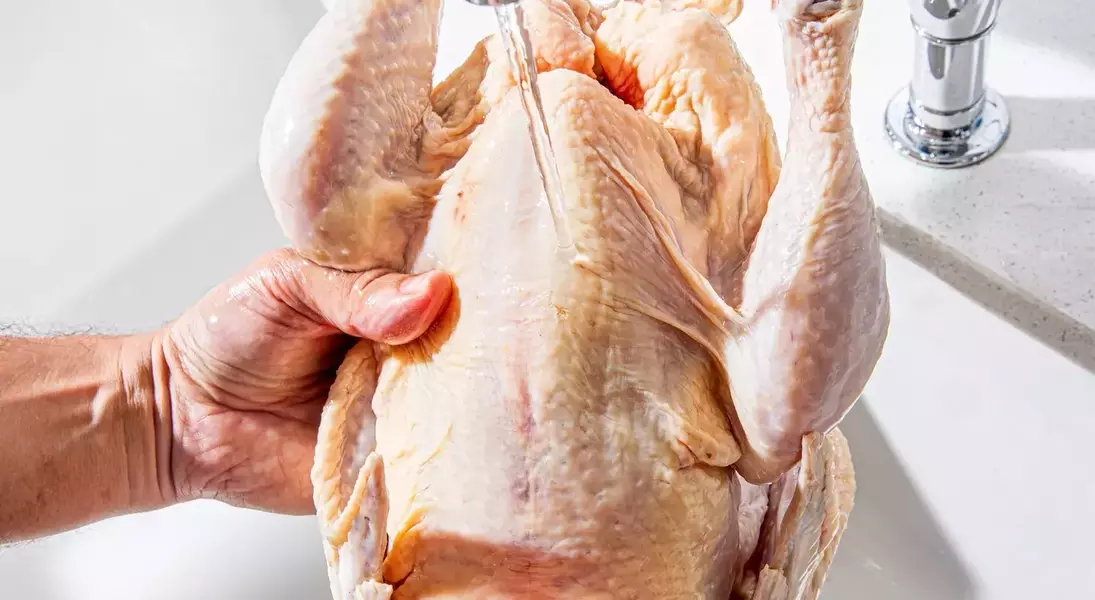
To Wash or Not to Wash: Reassessing Chicken Preparation Safety

This 1978 Strawberry Frost Is the Frozen Dessert Your Summer Has Been Missing
This vintage strawberry frost gets its signature texture from an unexpected two-step blending technique. First, the ingredients are blended together and frozen until firm. Then, the frozen mixture is broken into chunks and beaten with a hand mixer, creating an airy strawberry sorbet with just a hint of orange liqueur.
Black Bean-Mango Salsa
In just 20 minutes, you can have this tropical, zesty salsa ready to go. Enjoy with chips or try topping grilled meat or fish.
How to Make Roasted Pepitas Two Ways
It’s not pumpkin season without its crunchy counterpart, pepitas. These dark green seeds have a nutty, mild flavor and are chock-full of valuable nutrients. Here are two ways to make roasted pepitas at home.
Strawberry Rhubarb Salsa
Who said salsa couldn't be sweet? This strawberry rhubarb salsa is the perfect appetizer for your next dinner party to impress your friends. Serve with cinnamon pita chips and treat yourself to a pre-dinner dessert!
Salami Chips with Grainy Mustard Dip
Sour cream, mayonnaise, Dijon-style mustard, and grainy mustard are all you need to whip up this tangy dressing to go alongside crispy salami chips.
Management Buyouts Reshaping the Specialty Coffee Sector

Global Coffee Championships Unveil New Host Cities for 2026

The Unseen Complexity of Ecological Farming: A Deep Dive into Ant Dynamics

Direct-Heat Grilling Times, Temps, and Tips for the Best BBQ Ever
Use our guide to gas or charcoal direct-heat grilling times and temperatures for steaks, pork chops, and more for quick and foolproof BBQ.
Oven-to-Grill Baby Back Ribs Are Tender and Juicy
Here’s how to cook ribs in oven and finish on grill. This baby back ribs recipe shows you how to make a simple homemade bbq sauce, a bbq rub recipe, how to tell when baby back ribs are done, and how to cook baby back ribs in an instant pot.
Hawaiian Bacon-Wrapped Chicken Tenders
A soy, ginger, and pinepple marinade and dipping sauce takes these bacon-wrapped chicken tenders on a trip to the tropical islands.
Sweet and Spicy Mango-Sauced Ribs with Smoky Slaw
The skin of ripe mangoes can be vibrant green, red, and/or yellow. It's their texture that indicates ripeness.
How Hot Does a Grill Get? Learn to Control Temps with Our Guide
How hot does a grill get, and how do you manage the temperature? Use our Test Kitchen's tips for temperature control for gas and charcoal grills.
Halloween Oreo Balls
Boo! These Oreo ball ghosts will be a hit at your Halloween party.
Our Best Gravy Recipes For Your Thanksgiving Menu and Beyond
Turkey gravy recipes might be the first thing you think of when we mention “best gravy recipes” since the stakes are so high on a holiday. But our beef and wine-based gravy, sausage gravy, and mushroom gravy recipes are a delicious reminder that these sauces are stellar at brunch and Sunday dinners, too.
Must-Have Potluck Side Dish Recipes for Any Gathering
Ready to win the potluck? You will when you tote along one of these flavorful potluck cold side dishes. Here you'll find potluck recipes for pasta salad, baked beans, potato salad, and much more.