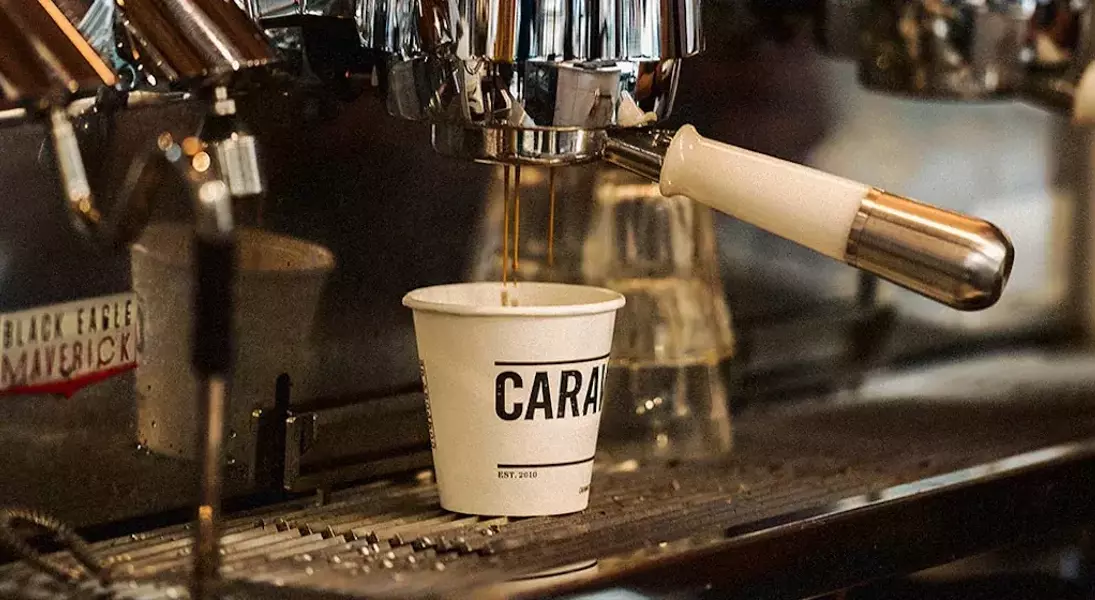
For the past decade, the coffee industry has been characterized by numerous mergers and acquisitions, transforming independent, artisanal labels into components of larger investment portfolios. Yet, another significant shift is gaining traction: management buyouts (MBOs). This occurs when a company's current management team purchases a substantial or even complete stake in the business. The UK-based Caravan Coffee Roasters recently completed such a buyout in March 2025, following an earlier minority investment from a private equity firm. This move aligns with specialty coffee's emphasis on genuine narratives and strong connections, as consumers often favor stories of founders reclaiming their enterprises, seeing it as a return to core values. However, pursuing an MBO involves considerable financial exposure, especially within a highly unstable market environment.
A notable pattern is emerging in specialty coffee, potentially redefining how businesses operate in today's unpredictable economic climate. Management buyouts are increasingly prevalent among established coffee brands, with several prominent deals signaling a change in how founders and leadership teams view ownership and governance. Caravan Coffee Roasters' recent MBO saw private equity firm Active Partners fully divest from the business. The management group, spearheaded by Laura Harper-Hinton along with co-founders Chris Ammermann and Miles Kirby, has once again achieved complete ownership and operational authority over their restaurant, bar, and coffee-roasting enterprise. This action mirrors a similar transition at Workshop Coffee, which finalized its MBO in August 2023. Given the industry's premium on authenticity and openness, this shift could yield positive results, though prospective buyers must still carefully evaluate the inherent financial challenges.
In any business context, an MBO describes the process through which a company's existing executive team acquires either all or a portion of the enterprise from its current proprietors. The main drivers for this strategy are for management to regain authority over the firm and to leverage their specialized knowledge, enabling the business to continue operations without major disruptions. This approach is proving particularly effective for the specialty coffee segment, which has recently experienced one of its most turbulent periods. The thriving nature of specialty coffee relies heavily on sustained connections among cultivators, roasters, and consumers, and the MBO narrative supports this relational aspect. Historically, the sector flourished on artisanal skill and direct commerce, appealing to customers seeking superior coffee products. However, escalating operational expenses, green coffee prices, and interest rates are now hindering expansion, making it more difficult to secure consistent cash flow.
Over the past decade, a growing number of coffee roasters have either sold equity or pursued investment opportunities, typically through crowdfunding or venture capital. Before Nestlé acquired a majority share in 2017, Blue Bottle secured over US0 million across six funding rounds from investors including Google Ventures, Morgan Stanley, Fidelity, and Evan Williams. In 2021, Blank Street, a rapidly expanding coffee and matcha chain, raised US million from investors like Left Lane Capital and Tiger Global. The high potential for return on investment often leads venture capital-backed coffee brands to scale rapidly. Consequently, some observers worry that this pace risks compromising quality and authenticity, potentially eroding consumer trust and loyalty. In contrast, MBOs capitalize on these intrinsic values, allowing founders and management—those with deep knowledge of specialty coffee, instrumental in building the industry, and primarily valuing relationships over financial returns—to regain control. As a founder, one's focus is solely on their own enterprise, whereas a private equity investor typically has a broader investment strategy and portfolio, making timing a critical factor.
The current state of the coffee market significantly influences ownership changes. Coffee prices have undergone dramatic fluctuations in the last two years, creating both obstacles and prospects for specialty roasters and café operators. Despite the volatile period, having been in the industry for over 15 years, there's a strong long-term outlook, which mitigates the perceived risk. For management teams contemplating buyouts, this unpredictability necessitates a complex financial assessment. Many aspire to take full charge of their businesses; those with the most direct oversight of daily operations are often best equipped to navigate price instability and shifting trade dynamics. Furthermore, the specialty coffee community's encouragement to prioritize enduring relationships over immediate financial gains reinforces this strategy. The MBO structure enables management teams to concentrate on sustainable expansion rather than adhering to external investor timelines or profit expectations. However, the financial exposure remains a significant challenge.
Borrowing capital from financial institutions, while supported, necessitates maintaining stringent financial oversight, a task made challenging by fluctuating commodity prices. Looking ahead, the primary objective is to achieve organic growth, which is deemed feasible despite market volatility. However, this may lead to a slower pace of immediate investment in the business. A more measured approach to growth reflects the reality that management buyouts frequently require businesses to balance ambitious expansion plans with debt repayment obligations. The trade-off might involve slower growth in exchange for enhanced control and stronger alignment with a long-term vision.
The inherent characteristics of specialty coffee businesses make them particularly well-suited for management buyout structures. These brands rely heavily on personal connections, brand integrity, and profound industry expertise—areas where existing management teams possess significant advantages over external investors. Customers, suppliers, and wholesale clients may also perceive this as a return to authentic, relationship-driven operations. For these reasons, the trend toward MBOs in specialty coffee is likely to persist, further propelled by the desire for greater oversight of supply chains as the industry navigates a challenging period. From a financial perspective, MBOs must account for the unique challenges posed by commodity price exposure. Coffee businesses face input cost volatility that can dramatically impact profit margins, making financial planning exceptionally intricate. Successful buyouts demand robust financial controls and prudent growth strategies. This approach may limit rapid expansion but offers the stability required to withstand coffee price fluctuations and market uncertainties.
The achievements of recent transactions, such as those involving Caravan and Workshop Coffee, are likely to encourage other management teams to consider similar initiatives. Taking on private equity investment was a valuable learning experience, enabling business growth with the support of a reputable partner over several years. This perspective suggests that management buyouts are not necessarily rejections of external investment but rather natural progressions within the business lifecycle. Teams gain experience and capabilities through external partnerships, which they can then apply independently. For the industry as a whole, this trend could lead to more sustainable business practices and stronger supplier relationships. Management teams with long-term ownership perspectives are more inclined to invest in origin relationships, staff development, and sustainable practices. However, overall success hinges on the management teams' ability to balance growth ambitions with financial discipline, particularly as coffee prices remain unpredictable.
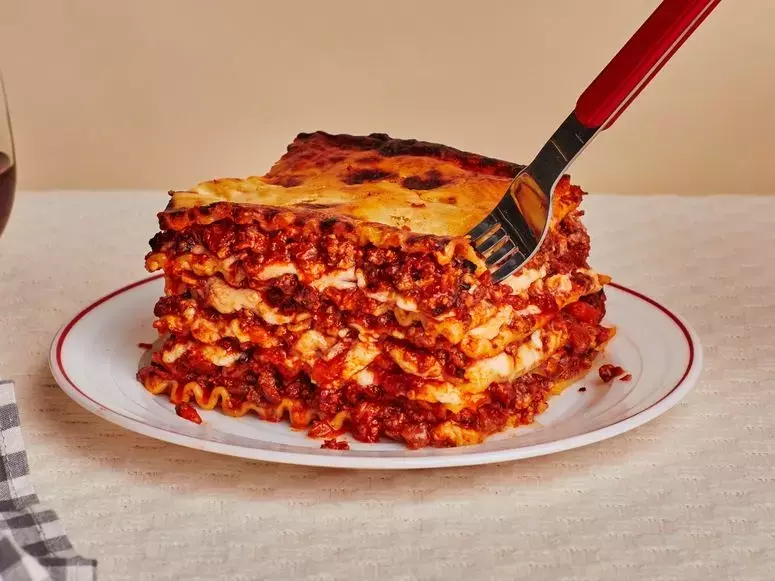
Budget-Friendly Lasagna: A Culinary Renovation
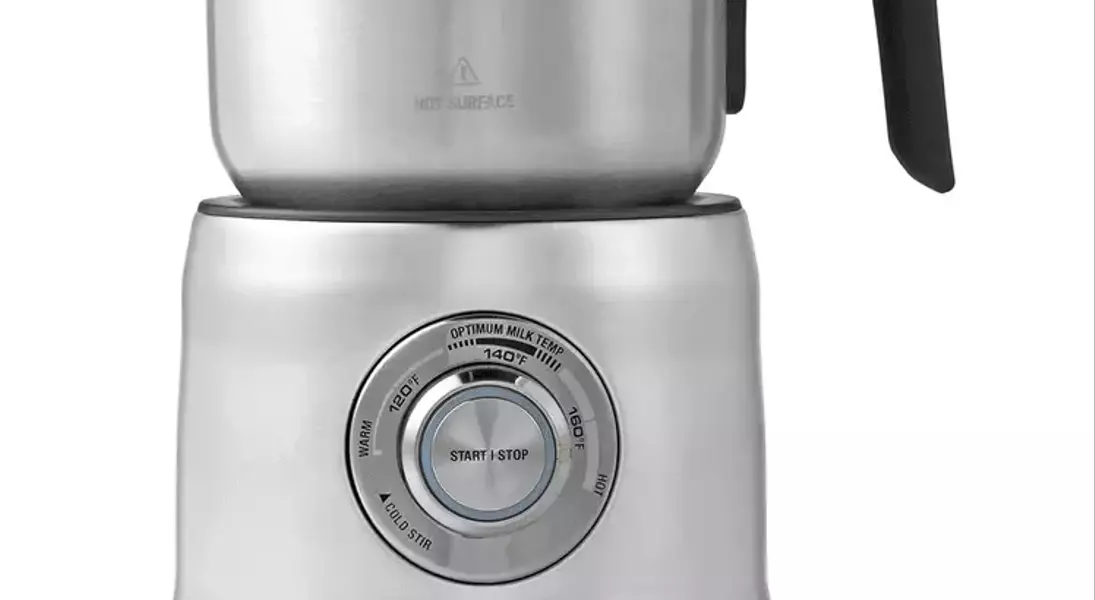
Mastering the Art of Froth: A Comprehensive Guide to Milk Frothers

Old-Fashioned Apple Pie
This old-fashoned apple pie recipe is just like Grandma used to make. Our tried-and-true Better Homes and Gardens apple pie is filled with pleasantly tart apples and and warm spices for the perfect bite. Give your apple pie some vintage (and delicious) flair by adding shredded cheddar cheese. Don't forget the ice cream!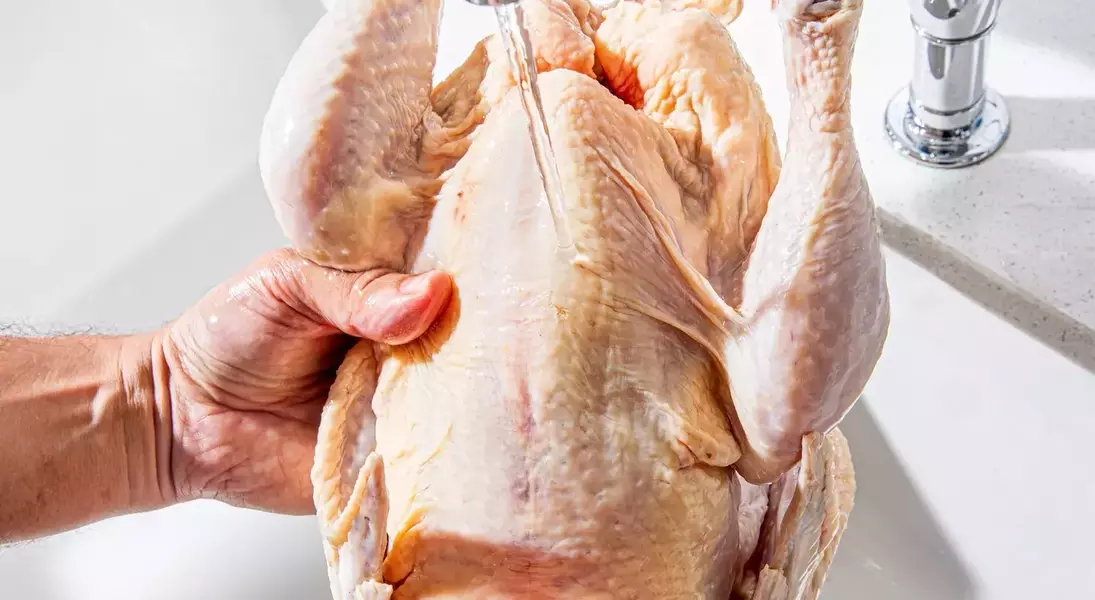
To Wash or Not to Wash: Reassessing Chicken Preparation Safety

This 1978 Strawberry Frost Is the Frozen Dessert Your Summer Has Been Missing
This vintage strawberry frost gets its signature texture from an unexpected two-step blending technique. First, the ingredients are blended together and frozen until firm. Then, the frozen mixture is broken into chunks and beaten with a hand mixer, creating an airy strawberry sorbet with just a hint of orange liqueur.
Black Bean-Mango Salsa
In just 20 minutes, you can have this tropical, zesty salsa ready to go. Enjoy with chips or try topping grilled meat or fish.
How to Make Roasted Pepitas Two Ways
It’s not pumpkin season without its crunchy counterpart, pepitas. These dark green seeds have a nutty, mild flavor and are chock-full of valuable nutrients. Here are two ways to make roasted pepitas at home.
Strawberry Rhubarb Salsa
Who said salsa couldn't be sweet? This strawberry rhubarb salsa is the perfect appetizer for your next dinner party to impress your friends. Serve with cinnamon pita chips and treat yourself to a pre-dinner dessert!
Salami Chips with Grainy Mustard Dip
Sour cream, mayonnaise, Dijon-style mustard, and grainy mustard are all you need to whip up this tangy dressing to go alongside crispy salami chips.
Management Buyouts Reshaping the Specialty Coffee Sector

Global Coffee Championships Unveil New Host Cities for 2026

The Unseen Complexity of Ecological Farming: A Deep Dive into Ant Dynamics

Direct-Heat Grilling Times, Temps, and Tips for the Best BBQ Ever
Use our guide to gas or charcoal direct-heat grilling times and temperatures for steaks, pork chops, and more for quick and foolproof BBQ.
Oven-to-Grill Baby Back Ribs Are Tender and Juicy
Here’s how to cook ribs in oven and finish on grill. This baby back ribs recipe shows you how to make a simple homemade bbq sauce, a bbq rub recipe, how to tell when baby back ribs are done, and how to cook baby back ribs in an instant pot.
Hawaiian Bacon-Wrapped Chicken Tenders
A soy, ginger, and pinepple marinade and dipping sauce takes these bacon-wrapped chicken tenders on a trip to the tropical islands.
Sweet and Spicy Mango-Sauced Ribs with Smoky Slaw
The skin of ripe mangoes can be vibrant green, red, and/or yellow. It's their texture that indicates ripeness.
How Hot Does a Grill Get? Learn to Control Temps with Our Guide
How hot does a grill get, and how do you manage the temperature? Use our Test Kitchen's tips for temperature control for gas and charcoal grills.
Halloween Oreo Balls
Boo! These Oreo ball ghosts will be a hit at your Halloween party.
Our Best Gravy Recipes For Your Thanksgiving Menu and Beyond
Turkey gravy recipes might be the first thing you think of when we mention “best gravy recipes” since the stakes are so high on a holiday. But our beef and wine-based gravy, sausage gravy, and mushroom gravy recipes are a delicious reminder that these sauces are stellar at brunch and Sunday dinners, too.
Must-Have Potluck Side Dish Recipes for Any Gathering
Ready to win the potluck? You will when you tote along one of these flavorful potluck cold side dishes. Here you'll find potluck recipes for pasta salad, baked beans, potato salad, and much more.